Car insurance companies use several factors to come up with your rates, such as your driving history, the type of car you drive and where you live. Many car insurance companies also use your credit to calculate your rates. The practice is controversial and banned in California, Hawaii, Massachusetts and Michigan.
But drivers with poor credit can be hit especially hard by higher prices. Forbes Advisor’s analysis of car insurance rates in the 46 states that allow credit as a pricing factor found an average increase of 76% for drivers with poor credit. That amounts to nearly $1,180 more per year for drivers with bad credit compared to drivers with good credit.
Auto insurance rates as low as $29/mo.Compare rates in minutes
How Your Credit-Based Insurance Score Is Calculated
Car insurance companies often use what is called a “credit-based insurance score” in setting rates. These are different from the typical credit scores such as your FICO score. Credit-based insurance scores put different weights on factors compared to other scores. It’s not possible to define a “good” insurance score because of the variety of ways it might be calculated.
Credit-based insurance scores generally aren’t available for consumers to see.
Insurance companies often cite a Federal Trade Commission study that draws a correlation between credit and the chances that a driver will file a car insurance claim. Insurance companies argue that the better your “credit-based insurance score,” the lower the chances that you will file a claim, which usually means you’ll get better car insurance rates for having good credit.
Credit-Based Insurance Score vs. Credit Score
Here’s the difference between the weights of factors used in a regular FICO score vs. a FICO credit-based insurance score:
Factor
Regular FICO Score
FICO Credit based Insurance Score
Past payment history
35%
40%
Current level of debts
30%
30%
Length of credit history
15%
15%
New credit/pursuit of new credit
10%
10%
Types of credit used
10%
5%
FICO notes that its score does not include factors such as age, gender, marital status, address and occupation. However, insurers often use these factors in setting their rates, where it’s allowed by law.
Will Credit-Based Insurance Scores Cost You?
The use of credit-based insurance scores won’t necessarily mean more money out of your wallet. Some states have done studies to examine the impact of using credit to determine insurance rates and found most drivers pay less for car insurance when credit is used as a pricing factor.
For example, about 66% of policyholders had lower car insurance rates with credit scoring in pricing, according to a 2016 study done by the Vermont Department of Financial Regulation. Conversely, 16% of policyholders had higher rates and 18% saw no difference.
The Vermont study found that about two-thirds of drivers would see their premiums increase if credit-based insurance scores were banned in the state because the insurers would distribute the “risk” among all drivers in the state. The increase would be about $33 a year per vehicle.
A similar 2017 study by the Arkansas insurance department found that about 57% of policyholders saw a decrease in their car insurance premiums. About 23% of policyholders saw an increase in premiums and 19% saw no change.
But some states disagree that the use of a credit-based insurance score is a good practice. California, Hawaii, Massachusetts and Michigan have all banned the use of credit-based insurance scores for setting car insurance rates. There have been discussions in other states to ban the practice.
For example, Oregon currently has some restrictions on credit-based insurance scores for car insurance. Insurers cannot use credit to raise premiums at policy renewal, or cancel or refuse to renew a policy because of credit history problems. Senate Bill 173 has recently been proposed in Oregon which would prohibit the use of credit to help determine rates.
What If My Credit Affected My Car Insurance Rates?
If your credit has had a negative impact on your car insurance, such as higher rates, policy cancellation or non-renewal, you can ask your insurer to provide you with the name of the credit bureau that supplied the information. If you believe the information is inaccurate, you can get it corrected.
Get a credit card if you don’t have one, but keep spending low
If you are able to improve your credit, call your auto insurance company before your policy renews and ask if they can re-run your credit and adjust your rates accordingly. While insurers typically check your driving record at renewal time, they may not be checking your credit regularly.
How Can I Lower My Car Insurance Rates If I Have Poor Credit?
While poor credit is likely to negatively impact your car insurance rates in states where the practice is allowed, you do have some options. Here are some ways you can get cheaper car insurance:
Comparison shop. Comparing rates is one of the best ways you can save on car insurance. Not all insurers price their policies the same, so if you have poor credit, compare car insurance quotes from multiple insurers.
Ask for discounts. Call your insurance agent and ask for a review of potential car insurance discounts. There are various ways to save, which vary by company. Get rewarded for being a good driver. Some insurers offer usage-based car insurance programs, which monitor your driving behaviors and calculate a score. If you score well, you could get a discount.
Drive less, pay less. If you are a low-mileage driver, you could consider pay-per-mile car insurance to lower your monthly costs.
Review your insurance policy. Your car insurance needs may have changed since you first bought your policy. It’s worth checking your policy to see if you are paying for any coverage types you no longer need. For example, if you are driving an older car you may want to drop collision and comprehensive insurance.
You’re buying homeowners insurance so you’re protected for every problem, right? Not exactly.
Homeowners insurance is a vital way to protect your home, but these policies don’t compensate you for every type of damage that may happen. Plus, if you don’t have enough home insurance, you may wind up still needing to shell out money to bridge coverage gaps. Let’s take a look at what homeowners insurance covers and, equally important, what it doesn’t cover.
Quote all the top insurance carriers – in 2 minutesHome insurance rates as low as $29/monthYou could save an average of $1,000/year when you shop.
What Does Homeowners Insurance Cover?
The most common homeowners insurance policy, called the HO-3, covers your house (dwelling structure) for any problem except those listed as exclusions in the policy.
Personal property is covered if the damage is from specific “perils,” which is insurance-speak for “problems.” An HO-3 policy covers personal property for these perils:
Accidental discharge or overflow of water or steam
Aircraft, including self-propelled missiles and spacecraft
Explosion
Falling objects
Fire or lightning
Freezing
Riot or civil commotion
Smoke
Sudden and accidental damage from artificially generated electrical current
Sudden and accidental tearing apart, cracking, burning or bulging
Theft
Vandalism or malicious mischief
Vehicles
Weight of ice, snow or sleet
Windstorm or hail
Volcanic eruption
If you want better coverage for your possessions, ask your insurance agent about an HO-5 or similar types of home insurance policies. (Not all insurers use these standard policy types.) An HO-5 policy covers your house and personal property for all problems except those expressly excluded.
The most common type of home insurance claim is for wind and hail damage. Nearly 43% of homeowners insurance claims were related to wind and hail damage, but the costliest average property damage claim is for fire and lightning damage, according to Triple-I (Insurance Information Institute). Here’s a look at the three most common property damage claims and the average claim costs for each.
Beyond standard home insurance, you can also usually add more coverage to your policy. Common home insurance endorsements include:
Earthquake insurance. Not usually covered by a standard home policy, insurers may allow you to add earthquake insurance coverage as an endorsement.
Equipment breakdown coverage. Covers mechanical and electrical breakdowns on appliances like boilers, computers, furnaces, heating, refrigerators and washers.
Extended or guaranteed replacement coverage. These policy add-ons allow you to exceed your dwelling coverage if you need to rebuild your home but building costs go over your limit. Extended replacement coverage is a percentage that you’re allowed to exceed the limit (such as 20%), while guaranteed coverage will pay any amount to return your home to its former glory.
Flood insurance. You typically need to buy a separate flood insurance policy to get flood coverage, but some insurers allow you to add it as a policy endorsement.
Identity theft coverage. Helps pay the costs of recovering your identity after a theft, including fraud services and fees.
Inflation guard coverage. Home policies may allow you to add an inflation guard, which increases your dwelling coverage automatically based on inflation.
Personal property replacement value. Home insurance typically comes with actual cash value coverage for personal property, which means it pays the depreciated value for personal property. Choosing replacement value requires the insurer to reimburse you for the items as if they were new.
Scheduled personal property. Allows you to expand personal property coverage for specific high-priced items, such as electronics, jewelry and silverware.
Service line coverage. Covers damaged lines on your property like cable lines, internet lines, power lines, sewer pipes and water pipes.
Sinkhole coverage. Standard home insurance doesn’t typically cover this type of damage, but you may buy an endorsement.
Water backup coverage. Home insurance doesn’t typically cover sewer or sump pump backups, but you can add an endorsement to provide that coverage.
Windstorm coverage. Insurers may exclude wind and hail coverage in certain high-risk areas, such as coastal regions. In that case, you can add windstorm coverage to your policy as an endorsement.
How Does Homeowners Insurance Work?
Home insurance is a contract between you and the insurance company. You pay a premium to have home insurance, which can be paid monthly or annually.
The home insurance company, in turn, covers you for types of damage to your home and belongings. Homeowners insurance also provides personal liability coverage, which helps pay if you or a family member is legally responsible for bodily injury or property damage to someone else or their property.
You file a claim if, for instance, your home is damaged in a fire. The insurer reviews the claim, often sends an insurance adjuster to check the damage and decides on a settlement amount. You then get reimbursed for that amount, minus your policy deductible.
The insurance company may also increase your home insurance premium after you file a claim. You’ll want to decide whether it’s worth filing the claim or not. For instance, if you have a $1,000 deductible and your home suffered a similar amount in damage, you’ll probably want to pay for the repairs yourself since you’ll get so little from the insurance company and the company may charge higher rates because of the claim.
What Coverage Types Are Included in a Homeowners Insurance Policy?
Pays to rebuild or repair the physical structure of your house if it’s damaged by a problem covered by the policy, like a fire or damage from a fallen tree.
Enough to rebuild your home if it’s damaged or destroyed
Other structures coverage
Covers detached structures such as a garage, shed or fence.
Pays to replace or repair belongings after a covered problem. Certain items, like jewelry, have a limit, but you can “schedule” certain expensive items.
50% to 70% of dwelling coverage, but you can buy additional coverage
Pays for accidental injuries and property damage to others for which you or your household members are responsible. Also pays your legal defense if you’re sued because of an injury or damage that’s covered.
$100,000 to $500,000, but you can buy additional coverage through an umbrella insurance policy
Medical payments coverage
Pays for minor injuries if a guest is hurt on your property, regardless of fault. It also pays if you or a family member unintentionally injures someone away from your property, and if a pet injures someone away from your home.
$1,000 to $5,000
Additional living expenses coverage
Reimburses you for extra expenses like hotel bills and meals if you can’t live in your house because of a covered problem like a fire. Also called loss of use coverage.
20% of dwelling coverage
Replacement Cost vs. Actual Cash Value
You’ll often have a choice between replacement cost or actual cash value coverage for your belongings when buying a home policy. Replacement cost coverage is more expensive because it reimburses you for brand-new, similar versions of the items that were destroyed. Actual cash value coverage takes depreciation into account (meaning the value of the item at the time of the loss).
For example, if your TV is damaged by a problem covered by the policy (such as a fire), replacement cost coverage will pay for a new TV of a comparable model. Actual cash value coverage will only pay what the TV was worth at the time of the problem, and you will need to make up the difference if you buy a new TV.
What Is Not Covered by Homeowners Insurance?
Common exclusions in a standard homeowners insurance policy include:
Earth movement, including earthquakes, mudslides, mudflow, sinkholes, shockwaves or tremors due to a volcanic eruption, and any other earth movement such as sinking, rising or shifting.
Governmental action, such as the destruction, confiscation or seizure of your property.
Intentional damage that you or your household members cause. (Vandalism by someone else is covered.)
Neglect, such as failing to take proper care of your property. This may include roof leaks, termite damage, plumbing damage and foundation damage caused by wear and tear.
Nuclear hazard, including damage from nuclear explosion or reaction, radiation or radioactive contamination.
Ordinance or law, meaning situations where the government requires you to demolish, rebuild, renovate or repair your home to meet local ordinances.
Power failure if it happens off the property. If the power failure is caused by something on the property, home insurance typically covers the damage.
War, such as damage from military forces during a war.
Water damage, including floods, water that backs up through sewers or drains (unless you have added special coverage for this), and leaks from swimming pools or other structures.
There are some situations where home insurance won’t cover you, and there are times when it depends on the situation.
Type of damage
Causes likely covered
When it won’t
Foundation
AccidentalFiresLightning strikesSmoke damageTree falls into houseVandalismVehicle crashes into houseWindstorm
Wear and tearPreventable
Mold
Sudden and accidental
Long-term water leak causes mold
Plumbing
Sudden and accidental
Wear and tearPreventable
Roof leak
Sudden issue like wind and rain
Not maintained properly
Roof replacement
Falling objectsFireLightningSmokeVandalismSnow and iceWind and hail
AnimalsEarthquakesMoldNeglectRotWear and tear
Termites
Termites chew through writes and cause fireSudden burst pipe leads to attracting termites
Lack of maintenance to repair damage before it becomes a problem
Water
Accidental leaksBurst pipesIce damsFireStorm
FloodsFoundation seepageNeglectSewer or drain backupSwimming pool lakesSump pump failure
Homeowners Insurance Deductibles
A home insurance deductible is the amount deducted from an approved claim. For instance, if you have a $1,000 homeowners insurance deductible and the insurance company approves a $10,000 claim following a small fire in your kitchen, the insurer will provide you $9,000.
The lower the deductible, the more you usually pay for coverage. If you’re looking to save on home insurance, a higher deductible might work, but realize that you’ll get reimbursed less if you need to file a claim later.
Types of Deductibles
There are two types of home insurance deductibles:
Flat dollar. This type of deductible is a set amount, such as $1,000.
Percentage. Often between 1% and 10%, this deductible is a percentage of your home’s dwelling coverage. For instance, a home insurance policy with a 2% percentage deductible for a home with $400,000 dwelling coverage would have an $8,000 policy deductible. A percentage deductible is generally for specific causes of damage, such as wind and hail or disasters like hurricanes and tornadoes.
Reinsurance protects insurers from large-scale risks like natural disasters.
It spreads risk among multiple insurers to share financial burdens.
This system maintains stability in the insurance market.
Reinsurance has evolved over centuries to support global insurance operations.
Reinsurance is insurance for insurance companies. It is designed to protect them from excessive losses caused by large-scale risks like natural disasters or economic crises.1 It spreads risk among multiple insurers, ensuring that multiple companies share the financial burden of a major event.
Reinsurance helps maintain stability in the insurance market and prevents financial collapse. This system of risk sharing has been a part of the industry for centuries, evolving to support global insurance operations and strengthen the overall resilience of the financial system.
Discover more about reinsurance, learn about its types, and understand how it functions within the insurance industry.
The Evolution of Reinsurance
The Reinsurance Association of America states that the roots of reinsurance can be traced back to the 14th century, when it was used for marine and fire insurance. Since then, it has grown to cover every aspect of the modern insurance market. There are:
Companies that specialize in selling reinsurance in the United States
Reinsurance departments in U.S. primary insurance companies
Reinsurers outside the U.S. that are not licensed in the United States
A ceding purchaser buys reinsurance directly from a reinsurer or through a broker or reinsurance intermediary.1
How Reinsurance Works
By spreading risk, an individual insurance company can take on clients whose coverage would be too great a burden for the single insurance company to handle alone. When reinsurance occurs, the premium paid by the insured is typically shared by all of the insurance companies involved.
If one company assumes the risk on its own, then the cost could bankrupt or financially ruin the insurance company and possibly not cover the loss for the original company that paid the insurance premium.
For example, consider a massive hurricane that makes landfall in Florida and causes billions of dollars in damage. If one company sold all the homeowners insurance, then the chance of it being able to cover the losses would be unlikely. Instead, the retail insurance company spreads parts of the coverage to other insurance companies (reinsurance), thereby spreading the cost of risk among many insurance companies.
To protect themselves and the insured against catastrophes
To increase their capacity
But reinsurance can help a company by providing the following:
Risk Transfer: Companies can share or transfer specific risks with other companies.
Arbitrage: Additional profits can be garnered by purchasing insurance elsewhere for less than the premium the company collects from policyholders.
Capital Management: Companies can avoid having to absorb large losses by passing risk; this frees up additional capital.
Solvency Margins: The purchase of surplus relief insurance allows companies to accept new clients and avoid the need to raise additional capital.
Expertise: The expertise of another insurer can help a company obtain a higher rating and premium.
Navigating Reinsurance Regulations
U.S. reinsurers are regulated on a state-by-state basis. Regulations are designed to ensure solvency, proper market conduct, and fair rates and contract terms, and to provide consumer protection. Specifically, regulations require the reinsurer to be financially solvent so that it can meet its obligations to ceding insurers.
Reinsurance is a way for a company to lower its risk or exposure to an untoward event. The idea is that no insurance company has too much exposure to a particular large event/disaster. If one company assumed the risk on its own, the cost would bankrupt or financially ruin the insurance company and possibly not cover the loss for the original company that paid the insurance premium.
As an example, a large hurricane makes landfall in Florida and causes billions of dollars in damage. If one company had sold all the homeowners insurance, the chance of covering the losses would be unlikely. Instead, the retail insurance company spreads parts of the coverage to other insurance companies (reinsurance), thereby spreading the cost of risk to many insurance companies.
The Bottom Line
Reinsurance lets insurance companies spread risk by buying coverage from other insurers, protecting them from major losses during disasters. They can share premiums with reinsurers, allowing them to handle large-scale risks without facing financial collapse.
Reinsurance provides key benefits such as risk transfer, capital management, and maintaining solvency, while leveraging the expertise of other insurers. Strict regulations ensure that reinsurers remain financially sound, promoting market stability and consumer protection.
Originating in the 14th century, reinsurance has evolved from simple marine and fire coverage to a vital part of today’s global insurance system.
Even the best homeowners insurance policies won’t pay for everything.
Termites. Mold. Flooding.
These words send shudders down the spines of homeowners everywhere. They can mean both major repairs and serious expenses, and most standard home insurance policies won’t cover the damage.
The specifics of what is and isn’t covered depend on the details of your policy, but even the best coverage won’t compensate you for everything. Here are 10 common home insurance exclusions, plus ways to fill in some of the gaps.
1. Ground movement
Earthquakes, landslides and sinkholes generally aren’t covered under home insurance. Exceptions include Florida and Tennessee, where insurers must offer optional sinkhole protection, but that doesn’t mean all policies automatically include it.
How to close the gap: If you live in an area prone to earthquakes, consider buying earthquake insurance. Your insurer may offer it as an add-on to your home insurance, or you might have to purchase a separate earthquake policy. To get coverage for other types of ground movement, such as landslides and mudflows, ask your agent about a “difference in conditions” policy.
2. Floods
Floods — like those from overflowing rivers or torrential rain — are not covered by most home insurance. And as we’ve seen in recent years with natural disasters like Hurricane Helene creeping inland, flash floods aren’t just a coastal problem.
Beyond floods, your home insurance policy likely excludes other types of water damage as well, such as backed-up sewer lines or overflowing sump pumps. However, a standard policy will generally cover damage caused by burst pipes — for example, if the water pipe behind your washing machine bursts and spews water.
How to close the gap: Flood insurance is widely available through the National Flood Insurance Program in partnership with more than 40 different insurers. It can cover both the physical structure of your home and your possessions.
You can also get a water backup endorsement to help pay for damage from sewer backups and sump pump failure.
Coverage for mold is complicated because it’s often hard to identify the root cause of a mold problem. For damage to be covered, your insurer must deem the cause of the mold to be sudden, accidental and a problem covered by your policy.
This means that, for example, home insurers generally won’t pay to fix mold damage if it’s caused by water associated with a long-term leak or poor home maintenance. However, your policy may cover repairs if the mold stems from a sudden plumbing leak, as long as you take action to fix the problem right away.
How to close the gap: Some insurers sell hidden water damage coverage as an add-on, which can help pay for water damage and mold removal caused by a hidden leak. It doesn’t cover sewer backup or sump pump failure damage though — for that, you need a water backup endorsement.
4. Wear and tear
Home insurance is meant for sudden or accidental problems, such as storms, burglaries and fires. It’s not a cure-all for general wear and tear. You’re expected to perform basic maintenance to keep your home from slipping into disrepair.
Maintaining your home’s roof, replacing worn-out flooring and tending to slow-leaking pipes are a few ways you can avoid large expenses that your insurance won’t cover.
How to close the gap: You can’t buy insurance to cover general wear and tear, but you can be proactive about maintaining your house. You could also consider buying a home warranty to cover some of your home’s major systems and appliances.
5. Infestations
Bedbugs, termites, mice and other vermin are typically excluded from home insurance for the same reason wear and tear isn’t covered. From an insurer’s perspective, getting rid of infestations and fixing the damage left behind are simply part of maintaining your home.
There may be occasional exceptions. For example:
If the infestation causes a covered problem such as a fire or structural collapse, you may be covered. Example: A mouse chews through a wire that starts an electrical fire.
If hidden termite damage causes part of your home to collapse, your insurer may pay for some repairs. However, if any of the termite damage was visible prior to the collapse, you likely wouldn’t have coverage. Read more about home insurance and termites.
How to close the gap: While you can’t buy a home insurance add-on to cover infestations, you can prevent pests from entering in the first place by controlling moisture, eliminating food sources and properly sealing any entry points to your home. If you suspect an infestation, call a qualified pest control company in your area.
6. Nuclear hazards
Home insurance doesn’t provide coverage for nuclear accidents. Thankfully, you’re already protected by federal law, so you’re unlikely to need it. Nuclear power companies are required by the Price-Anderson Act to have liability insurance to cover damages and evacuation costs if you live within the affected area of a hazard[1].
7. Government action
Acts of public authorities are not your insurer’s problem. If the government confiscates your belongings, for instance, or condemns your home and takes over the land, your policy won’t cover the cost to replace your property.
The only exception might be if the governmental action were taken to prevent the spread of a fire that might otherwise affect your home.
8. Dangerous or aggressive dogs
Insurance companies spent more than $1.8 billion paying claims for dog bites and other dog-related injuries in 2025, with an average claim amount of about $65,000[2]. Because of these high costs, insurers may not cover certain aggressive or dangerous dogs. Having one could even prevent you from getting approved for a policy.
Some companies refuse to cover breeds known for inflicting severe injuries, such as pit bulls and Rottweilers.
How to close the gap: If your dog is part of a restricted breed, look for a breed-neutral home insurance company. Some insurers, such as State Farm, won’t deny coverage based on breed alone but instead will look at an individual dog’s history of aggression. You can also buy a separate pet liability insurance policy if your homeowners insurance doesn’t offer sufficient coverage.
9. Wind damage in hurricane-prone states
In most parts of the U.S., a standard homeowners insurance policy covers wind damage. But if you live along the Atlantic or Gulf coasts, where hurricane risk is highest, you may need to buy separate wind insurance.
Even if this coverage is included in your home insurance policy, wind damage can cost you. In 19 states and Washington, D.C., insurers may charge a special wind, named storm or hurricane deductible. Instead of a dollar amount, these deductibles are calculated as a percentage of your home’s insured value, usually between 1% and 10%.
This can really add up. For example, if your home is insured for $500,000 and you have a 5% wind deductible, you’re responsible for the first $25,000 of repairs. Not all companies allow you to select your deductible percentage, but if yours does, going low at 1% or 2% can make a big difference if you ever have a claim.
How to close the gap: You can buy windstorm insurance as an add-on to your current policy if your insurer offers it. If you live in a high-risk coastal area, you may also be able to get wind coverage from a state-run insurance pool.
10. Intentional loss or neglect
If your insurer determines that damage to your home could have been prevented or was intentional, it won’t be covered. What’s more, you could be charged with insurance fraud if you file a claim for damage you caused on purpose.
A note about bringing your home up to code
Even when an event is covered, your policy is designed to repair or rebuild your home to its original condition before the damage. It may not pay enough to bring outdated features up to the latest building codes. For that, you need ordinance or law coverage.
Many homeowners policies include a little ordinance and law coverage — around 10% of the dwelling coverage limit — but you may want more. Extra coverage can be especially helpful if you live in an older home that hasn’t been updated in a while.
The cost of car insurance is affected by factors including your age, gender, location and marital status; the vehicle you drive; your annual mileage; your driving record; your claims history and even your credit score.
You may be able to save on your rates by shopping around, investigating discounts and reducing coverage.
Wouldn’t it be nice to spend less on ho-hum necessities like car insurance? Understanding what determines your auto insurance premiums can uncover new ways to save. Auto insurance rates depend on factors such as your age, gender, location, the kind of car you drive, your driving record and possibly even your credit score. Here are 12 things that can influence the cost of your car insurance.
Looks like we’re having some trouble showing offers from our partners right now. In the meantime, you can sign in or create a free Experian account to unlock tools that can help you reach your financial goals.
1. Your Location
Car insurance premiums vary from state to state, and even from one ZIP code to another. Why?
Big-city drivers face greater risk of accidents, car theft or vandalism, so they generally pay more for car insurance.
Car repairs and medical care for injuries are more expensive in some areas than in others.
Weather-related risks that can damage vehicles, such as wildfires or windstorms, are more common in certain locations.
2. Your Age
Younger, less experienced drivers are statistically more likely to drive dangerously and to be involved in fatal accidents, data from the National Highway Traffic Safety Administration (NHTSA) shows. As a result, teens and young adults typically pay the highest rates for auto insurance.
Once you turn 25, car insurance premiums typically go down and continue to drop as you get older. Generally, drivers over 55 pay lower rates; however, at age 75 or so, premiums typically begin to rise again.
Women are statistically less likely to be involved in car accidents, and the accidents they do have tend to be less severe, the Insurance Information Institute reports. In states that allow insurance companies to consider gender when setting insurance premiums, women usually pay less for car insurance than men.
4. Your Marital Status
Data shows that married people are less likely to file auto insurance claims than single people. As a result, married couples typically enjoy premiums 5% to 15% lower than singles. Married couples with two or more cars may also get price breaks for insuring multiple vehicles.
5. Your Driving History
Insurance companies review your driving record when setting your insurance premiums. Safe drivers are generally less apt to get into accidents, so they typically pay less for auto insurance.
Conversely, you might pay more for car insurance if you have a history of moving violations for dangerous habits such as speeding or reckless driving. Being at fault in an accident or having a DUI/DWI on your record are also likely to boost your car insurance costs.
6. The Vehicle You Drive
Auto insurance rates may vary based on the vehicle you drive, including factors such as:
How much your car costs to repair
How expensive your car is to replace
Whether your vehicle is popular with car thieves
The size of the engine
The car’s safety record and features
How much damage the vehicle is likely to cause in a collision
Whether the car is financed is also a factor; lenders typically insist you carry more than the minimum required amount of insurance.
7. Type and Amount of Insurance Coverage
State laws generally require drivers to purchase a minimum amount of liability coverage. Some also require personal injury protection insurance to cover medical expenses after an accident. Lenders may have their own insurance requirements for financed vehicles.
Beyond these basic requirements, you can purchase additional insurance, such as comprehensive and collision coverage, for greater protection. You can also opt for more liability or personal injury coverage than your state’s minimums, and add extras like rental car coverage or windshield glass coverage. Typically, premiums rise as you add more coverage.
8. Your Deductible
The deductible is the amount you must pay out of pocket when you file a car insurance claim. For instance, if you choose a deductible of $500, you’ll need to pay that amount for damages when you file a claim, before your insurance kicks in.
How a deductible works: Damages in filed claim: $3,000 Deductible amount: $500 Total amount insurance company will cover: $2,500 ($3,000 – $500)
Car insurance policies usually offer deductibles ranging from $0 to $2,500. Opting for a higher deductible can lower your insurance premiums. However, avoid raising your deductible beyond what you could afford to pay if you had an insurance claim.
9. Your Vehicle Usage
Statistically, the more time you spend on the road, the more likely you are to get into a car accident. As a result, high-mileage drivers (typically defined as driving 15,000 miles or more annually) may pay more for car insurance. Those who drive less than 12,000 or 10,000 miles per year, on the other hand, are often eligible for lower rates.
A driver with a daily commute usually pays higher premiums than someone who only drives for pleasure. If you don’t drive much, choosing low-mileage car insurance options such as pay-per-mile auto insurance or usage-based insurance could mean significant savings.
10. Your Claims History and Insurance History
Car insurance companies examine your history of filing claims when setting premiums. Having many claims suggests that you’re likely to file more claims in the future. Insurers usually increase your rates to compensate for this risk.
You might also pay higher premiums if you’ve ever gone without car insurance (known as a lapse in coverage) or have failed to pay your premiums.
11. Your Insurance Company
Each insurance company sets its own rates. Different providers may charge different premiums for the same kind and amount of coverage. If your current rates are too high, getting quotes online from several insurance companies can give you an idea of the savings each insurer might offer. Be careful to compare the same type and amount of coverage.
Price is just one consideration when purchasing car insurance, however. You should also investigate each company’s financial stability and check customer reviews to see how well they handle claims.
12. Your Credit Score
Insurance companies in most states can consider your credit score when calculating your car insurance premiums. A higher score typically translates to lower premiums.
The credit-based insurance score insurers use differs from the scores lenders use. However, it’s based on similar information, so checking your regular credit score can give you an idea of how your credit-based insurance score might impact your car insurance costs.
How to Lower Your Car Insurance Rates
Some factors affecting your car insurance premiums are outside your control, but there are still several steps you can take to lower your costs.
Investigate discounts. Check to see what discounts each insurance carrier offers. You might be eligible for the following common discounts on car insurance:
Being a high school or college student with good grades
Paying your annual premium upfront
Setting up auto payments
Getting digital instead of paper statements
Belonging to organizations or working for employers that offer insurance discounts as a perk
Driving fewer than 12,000 miles annually
Owning a home
Having a vehicle with factory-installed anti-theft or safety equipment
Remaining with the same insurer for a certain number of years
Cut back on coverage.Dropping unnecessary coverage, such as roadside assistance or rental car reimbursement, can save you money. If your car is paid off and you could afford to replace it, see how much eliminating collision and comprehensive coverage might save.
Drive safely. Avoiding speeding tickets, aggressive driving and other risky behavior can reduce the cost of car insurance. Some insurance companies lower your rates if you stay accident-free or complete a defensive driving course.
Drive less. Reducing your mileage generally saves you money. Investigate pay-per-mile auto insurance or usage-based car insurance, which may save you even more if you’re willing to have your driving habits monitored.
Bundle insurance policies. Purchasing two or more insurance policies from the same provider, such as home and auto coverage, is known as bundling and typically earns a discount.
Comparison shop. Shop around for car insurance once a year or so to see if you can get a better price. You can compare car insurance costs quickly by using an online marketplace to get quotes from multiple providers in one place. Experian’s car insurance quote comparison tool gathers prices from top insurance carriers for your current auto insurance coverage, so it’s easy to see if you can save.
The Bottom Line
Improving your credit score may help lower your car insurance rates. Paying down high-interest debt, bringing late accounts current and paying your bills on time can all help boost your credit score. Set up free credit monitoring to track your progress. A good credit score can make it easier to qualify for credit cards and loans at lower interest rates, saving you money on more than just auto insurance.
In most cases, your credit will not affect your ability to get pet insurance. It’s possible that insurers in some states may consider your credit-based insurance score, but it isn’t the norm for pet insurance.
Pet insurance can help you cover some of your pet’s medical costs, which may come in handy if a beloved pet falls ill or experiences a health emergency. Your credit score probably won’t impact your ability to get pet insurance—or the amount you’ll pay for it. These things will likely be determined by the type and breed of the pet, their age and their overall health. The level of coverage you choose is another important factor. But every insurer is different, and it’s possible that your credit score could come into play.
Can I Get Pet Insurance With Poor Credit?
Generally speaking, yes, you can get pet insurance with bad credit. Most insurers will care less about your credit and more about your pet’s age, breed and health—and the level of coverage you’re seeking. But that’s not to say your credit won’t matter.
Compare pet insurance
Explore affordable and comprehensive pet insurance plans. Find budget-friendly options with broad coverage for accidents, illnesses, and more.
Does Your Credit Score Affect Pet Insurance Rates?
It’s possible that insurers in your state may consider your credit-based insurance score. Insurance companies use it to predict the likelihood of you filing a future claim. This is common practice when buying auto and home insurance in certain states. And in the eyes of insurers, pets are considered property—like a car or a house.
That said, it isn’t the norm when it comes to pet insurance. There’s no indication that pet insurers are using credit-based insurance scores when deciding who they’ll cover and how much they’ll charge.
What Factors Affect the Cost of Pet Insurance?
The level of coverage you choose will play a major role in your pet insurance costs. There are three main types of pet insurance, and there’s a wide range of coverage within each category:
Accident-only: Covers medical care related to an accident
Accident and illness: Covers accidents and costs related to certain illnesses, but it generally excludes routine and preventive care
Pet wellness plan: Covers routine and preventive care, but typically excludes accidents, illnesses and pregnancy
Below are other factors that affect the cost of pet insurance:
The pet you want to insure: The species, breed and age of your pet will directly affect your premiums. Some types of animals cost more to care for and are more susceptible to medical problems than others. Purebred animals often have hereditary conditions. English bulldogs, for example, frequently suffer from respiratory problems and spinal issues.
Where you live: It costs more to run a veterinary practice in urban areas. If you’re in a relatively big city, you’ll likely pay more than someone who lives in an area with a lower cost of living.
Enroll while your pet is young. Premiums are usually higher for older pets who are more prone to health issues—and pre-existing conditions are typically excluded.
Pick the right policy type. Avoiding coverage you don’t need can help you save money. You might purchase accident and illness insurance while factoring routine care into your regular budget. Either way, consider your pet’s unique health care needs when choosing a plan.
Shop around. Gather multiple quotes and compare different insurers. The same type of coverage can cost more with one insurance company and less with another. Also look at what medical care is included in each plan.
Look for discounts.Bundling pet insurance with your home or auto coverage could get you a lower rate. Some insurers also offer military discounts and price reductions for AARP members.
Increase your deductible. When you file a claim, this is the amount you have to pay before your insurance kicks in. Opting for a higher deductible can lower your premiums.
Reduce your reimbursement rate. Most pet insurance companies will reimburse you for a percentage of each approved claim. A lower reimbursement rate can reduce your premium, though you’ll face higher out-of-pocket costs if something happens to your pet.
Does Pet Insurance Affect Your Credit?
In most cases, insurance payments do not impact your credit—but it’s always best to pay your insurance premiums on time. Otherwise, your insurer could cancel your coverage. Experian Boost®ø will actually reward you for keeping up with your insurance payments. It’s a free feature that gives you credit for the bills you’re paying anyway, including your insurance premiums. Your positive payment history can help improve your credit score based on Experian data.
Results will vary. Not all payments are boost-eligible. Some users may not receive an improved score or approval odds. Not all lenders use Experian credit files, and not all lenders use scores impacted by Experian Boost.
The Bottom Line
Generally, your credit health won’t impact your ability to get pet insurance—or the rates you’ll pay. What matters most is the type of pet you have, where you live and the level of coverage you choose. That said, it’s always wise to maintain strong credit. Doing so can make it easier to qualify for new loans and credit. It can also help you secure the best rates and terms.
Over the past few years, consumers have found themselves paying a higher percentage of their medical costs. The Affordable Care Act has given more Americans access to health insurance, but many of those plans come with high deductibles – which are also becoming more common in employer-provided plans.
This change has made it important for consumers to approach medical care as they do other purchases – shopping for not only quality, but also price. Unfortunately, the system doesn’t make that easy.
“You’re going to be really frustrated when you try to act like a consumer,” says Jeanne Pinder, founder and CEO of ClearHealthCosts. “You’re going to be really frustrated because the system is broken.”
The first rule, say experts and advocates, is to ask a lot of questions of your health care provider: Is that test really necessary? Is there a generic version of that medication? Are there less expensive alternatives to this treatment? And, finally, how much is this procedure going to cost?
Shopping for gallbladder removal or a knee replacement, for example, may mean calling individual doctors’ offices, hospitals, free-standing clinics and your insurance company. And even after making all these calls, you still might not get any good answers.
Photo: Deposit Photos
“It is very difficult to find these things out,” says Tracy Watts, a senior partner at Mercer, a human resources consulting firm. “The more complicated the procedure is that you need, the harder it is to pinpoint a price.”
Nailing down a price is difficult because multiple players are involved in most procedures. One clinic’s fee may include the surgeon, anesthesiologist and facility. Another may bill separately for each.
That means before committing to anything, you need to ask who is going to be involved in the procedure, make sure they’re all part of your insurance plan and then compare prices.
If a high deductible means you’ll be paying most of the bills yourself, you may want to ask for the cash price, which could be lower than what you would pay if you use your insurance, says Michelle Katz, a nurse in Los Angeles who wrote Healthcare Made Easy.
“It’s a matter of being your own advocate,” Katz says. “It can be the difference between paying $150,000 for a procedure and $30,000 for a procedure.”
Despite the complexity of the system, consumers can do some things to get better health care for less. Here are 12 ways to save money on health care.
Pick the right insurance policy
That takes some work, Katz says. You want a plan that includes your doctors and your medications, plus provides care for any chronic conditions. Information online can be incomplete or outdated, so call the doctors to make sure they’re still participating in plans you’re considering.
Shop around for medication
GoodRX lists cash prices for generic Lipitor in San Antonio ranging from $8.70 at Sam’s Club to $46.15 at Walgreens, with coupons on the site. (You do not have to be a member at Sam’s Club or Costco to get prescriptions filled there.)
Walmart, Target and many supermarkets offer $4 generic drugs – but not the same ones – which may cost less than your insurance copay.
Know what your health insurance policy covers
The time to dig into your policy is before you need to use it. Find out about preapprovals, emergency room visits, copays for doctor visits and coinsurance for procedures.
Ask if tests, prescriptions or procedures are necessary
The latest drugs aren’t always better than older, cheaper drugs. If you tell the doctor you’re paying cash for what she orders, she may suggest you wait to see if the condition resolves before ordering an expensive test. Instead of paying for 20 sessions of physical therapy, pay for one and learn exercises to do at home.
Ask for prices upfront, and ask about cash discounts
This may require calling your insurance company, doctor and hospital to find out what a procedure or an office visit will cost. Remember that some doctors and facilities will offer a discount if you pay cash.
Pick the right facility
If your condition isn’t life-threatening, don’t go to the emergency room. A persistent cough or a broken finger may be better treated in a drugstore clinic or an urgent care center at a much lower cost. But not all clinics or urgent care centers are the same. Investigate the facilities near you before you need them so you can make the right choice when you’re ill.
Photo: Deposit Photos
Check bills and insurance statements
Even those with the best insurance policies often get bills for procedures that should be completely covered. A mistake in coding can mean the difference between a mammogram with no copay and one that costs $600. Be vigilant in checking both bills and explanations of benefits, the statements that summarize which procedures and services are covered and those that remain for you to pay. Keep records of whom you talked to and when, because the calls are often recorded.
Copy all your medical test results and records
Bringing those with you to consultations can cut the number of tests and office visits you need. Often, if you’ve had a test recently, there is no need to repeat it. Plus, if you visit a doctor with test results in hand, she can advise you immediately rather than setting up another appointment after test results arrive.
Take advantage of free screenings
Every community has health fairs that offer free screenings for diabetes, HIV, high blood pressure and other maladies. By law, ACA-compliant insurance plans offer a number of screenings with no copays.
Negotiate big medical bills
If you go into a hospital or undergo an expensive procedure, get an itemized bill, preferably before you leave the hospital. Once you’ve made sure it’s free of errors, ask the hospital billing department for financial aid, a discount for paying in cash or a payment plan. If you have lots of big bills, consider hiring someone to negotiate for you.
Consider telemedecine
Since the pandemic, video consultations have become common. Some insurance companies and employer plans offer free telephone hotlines that can answer questions, sometimes 24 hours a day, to help you decide if you need an urgent care visit.
Practice preventive care
That means taking prescribed medications, keeping up a healthy lifestyle and visiting your primary care doctor for treatment of chronic conditions.
Self-awareness is a key trait of successful leaders. These tips will help you become more self-aware and benefit your career.
Self-awareness leads to growth
What is the most important characteristic of a leader? Some might say it’s integrity. Others might say it’s being a good motivator. However, psychologist and author Sherrie Campbell, author of Loving Yourself: The Mastery of Being Your Own Person, believes self-awareness is the key factor in leadership success.
What is self-awareness?
Self-awareness is the ability to monitor your emotions and reactions. It lets you know your strengths, weaknesses, triggers, motivators and other characteristics. Being self-aware means taking a deeper look at your emotions, why you feel a certain way and how your sentiments could turn into reactions.
Practicing self-awareness allows you to react better to situations or people who might set you off, which is a healthy skill to cultivate ― especially as a leader. When you’re aware of your emotions and how you handle them, you’re better equipped to process and work through them, avoiding unnecessary conflict. This ability will also help you set a good example for your team and make them more comfortable approaching you with questions or concerns.
Even if you’re not where you want to be as a leader, developing self-awareness and acknowledging areas of leadership weakness is the first step.
How important is self-awareness in leadership and business?
Without self-awareness, leaders can appear arrogant. If you can’t be personable or know when you cross a line, how can you lead a company?
The need for self-awareness also extends to other business situations. Consider how crucial self-awareness is when giving sales pitches, trying to close deals or handling constructive criticism. If you’re unaware of how you’ll react to a situation or can’t prevent negative reactions, you could get yourself in trouble.
Self-awareness is also a crucial presentation skill. Many people get nervous when delivering presentations, speeches or even notes at a meeting. Self-awareness can help. If you use too many filler words during presentations, practice your presentation and have someone clap every time you use a word you want to avoid. If you tend to sway or pace around while presenting, limit your ability to move by sitting at the table with your client or using a podium.
Did You Know?
Coping mechanisms developed in childhood can prevent you from achieving career goals. By becoming aware of these automatic reactions, you can opt out of using them when they provide no benefit.
What are self-awareness skills?
In addition to being aware of your emotions, self-awareness involves knowing how you will react to others.
“Self-awareness keeps us grounded, attuned and focused,” Campbell wrote. “When leaders are grounded, they can be efficient and deliberate in staying on task and being attuned to those around them. Leaders who can control their minds and emotions help to guide those around them to develop their own self-knowledge and success.”
Consider the following crucial self-awareness skills:
Empathy: When you fine-tune your self-awareness abilities, you will become more empathetic, thanks to heightened emotional intelligence.
Adaptability: If you know how you will react, you could avoid tough situations by going on a walk or taking a few deep breaths.
Confidence: By accepting and even embracing your flaws, needs and strengths, you will increase your ability to be vulnerable, allowing for healthier business relationships. Maintaining confidence is key to success.
Mindfulness: When you’re self-aware, you become more mindful of the present moment, allowing yourself to take situations as they happen instead of dwelling on the past or projecting into the future.
Patience: While your immediate reaction might be to scold an employee for a mistake or take out your frustrations on your team, self-awareness will help you practice patience, even in the face of conflict.
Kindness: Kindness is achievable when you put aside your feelings to support another person. Even if you’re having a bad day, being self-aware and realizing your workers are also human beings with similar struggles can help you be more sympathetic.
Tip
The right leadership language can help convey patience and kindness to your team. Your words and phrases can significantly impact your team’s morale.
Tips for becoming more self-aware
Becoming more self-aware isn’t always easy but it can help you become a better leader. Here are 10 tips for improving self-awareness:
Keep an open mind: When you can regulate your emotional world, you can be more attuned to others’ emotions. Successful leaders must be curious about new people and all they have to offer. Keeping an open mind shows that you can be a team player and don’t need to be number one all the time. The more open you are to others, the more creative an entrepreneur you will become.
Be mindful of your strengths and weaknesses: Self-aware individuals know their strengths and weaknesses and can work from that space. Being mindful of your strengths and weaknesses means knowing when to reach out for assistance or delegate and when you can handle a situation on your own.
Stay focused: Leaders must make connections ― but you can’t do that if you’re distracted. Train yourself to focus on work for longer periods and consider other ways to improve productivity.
Set boundaries: Leaders must establish firm limits. Be warm toward others, but say no when necessary. Be serious about your work and passions and keep your boundaries firm to maintain the integrity of your goals and the work you put into them.
Know your emotional triggers: Self-aware individuals can identify their emotions as they happen. Don’t repress your emotions or deny their causes; instead, bend and flex with them and fully process them before communicating with others.
Embrace your intuition. Successful people learn to trust their instincts when making a business decision and take the risks associated with those choices. Your instincts are based on the survival of the fittest and the need to succeed. They will tell you what to do next, so learn to trust your intuition.
Practice self-discipline: Good leaders tend to be disciplined in every area of their lives. This trait provides them with the enduring focus necessary for strong leadership.
Consider how your actions affect others: We often act without thinking first, focusing only on our needs. While self-awareness requires acknowledging your emotions, you must also identify how you handle those feelings and how any subsequent actions impact those around you. Being more considerate of others will help you navigate difficult situations.
Apologize when necessary: Mistakes happen, but self-awareness will help you recognize when your slip-ups require you to apologize at work. Maybe you lashed out at your staff or have been difficult to reach lately. Whatever your mistake was, saying you’re sorry (and meaning it) and then changing your behavior is the best way to move forward.
Ask for feedback: While self-awareness means understanding yourself without input from others, it takes courage (and self-awareness) to ask for honest employee feedback. Doing this acknowledges your natural biases toward yourself (which we all have) and helps you gain a more objective view.
Key Takeaway
Self-awareness takes time, commitment and practice. Continuous open and honest dialog with yourself and your employees is a great way to understand your strengths and correct leadership mistakes.
Benefits of self-awareness
Improving your self-awareness may sound like leadership training jargon. However, actively working on understanding yourself and your reactions has tangible benefits that can positively impact your career and business:
Self-awareness sets the tone at work: When your employees see you taking the time to understand your strengths, weaknesses, emotions and reactions, they’ll be inspired to follow suit. Better self-awareness from the top down can positively change company culture. Even if you’re not in a leadership position, practicing self-awareness will cause others to take notice.
Self-awareness improves relationships: Increased self-awareness helps you control your reactions, empathize with others and communicate better ― all key elements of employee engagement. Self-awareness builds trust and openness, fostering an environment where employees and colleagues feel safe coming to you with any issue.
Self-awareness inspires teamwork: Beyond building relationships, self-awareness skills help you to become a better team player. You’ll know which tasks to delegate and when to ask for feedback or assistance. You’ll also be better positioned to promote workplace collaboration among your staff.
Self-awareness makes people want to work for you: Self-awareness produces stronger, more effective leaders, creating environments where workers thrive. This positive company culture can help you attract and retain top talent.
Self-awareness leads to better decision-making: Leaders are tasked with making multiple decisions daily and high-stakes decisions often result in high emotions. Self-awareness helps you control those emotions so you can decide rationally. It also builds confidence ― a critical factor in assertively choosing a course of action. Plus, a self-aware leader is conscious of their implicit biases and can take those into account.
Self-awareness helps manage conflict: Effective communication and strong relationships reduce workplace conflict. However, tensions sometimes rise even in the best companies. Keeping a cool head and knowing when to compromise will help resolve disputes. An effectively managed disagreement isn’t always a bad thing. Healthy workplace conflicts can even be good for your business.
Self-awareness makes you more productive: Understanding how you work, especially areas where you need improvement or help, allows you to work better. Knowing where you excel will grow your confidence, leading you to work quicker and more assertively. Delegating tasks to better-suited colleagues will free up time and make your workplace more productive. Finally, focusing on improving your weaknesses will help you grow into a stronger leader.
Examples of self-awareness in the workplace
Strong self-awareness can lead to better outcomes in the workplace. Here are a few examples of how self-awareness can positively impact typical situations.
Understanding where you excel and where you don’t will help you be honest with yourself about what positions suit you. You don’t want to waste your manager’s time ― or your own ― going for jobs you’re not qualified for.
Being confident in your strengths and transparent about your weaknesses can convince your boss that you deserve a promotion. For example, if you work in sales and want a management position, detailing your excellent numbers and strong customer relationships demonstrate that you know how to close deals.
However, acknowledging that you could be a better team player and would like training in that area shows that you’re honest, trustworthy and committed to improving the company.
Whether you’re the CEO or an intern, receiving feedback during a performance review can be uncomfortable. While it would be nice to only hear positive comments, it wouldn’t be very beneficial. Critiques on what we could do better will help in the long run ― but hearing them can sting.
Let’s say you work in information technology and have a performance review coming up. Keen self-awareness can help you get the most from the situation. By acknowledging your weaknesses, such as slower ticket resolution times for specific software platforms, you won’t be surprised when the topic arises.
If you tend to react negatively to criticism, prepare ahead of time. Remind yourself that there are other areas in which you excel and that your boss is only making critiques to help you develop. Managing your emotions will help you digest the criticism and offer solutions, such as requesting software training. By avoiding negative emotions, you’ll build a better relationship with your superior.
Tip
Raise your self-awareness when preparing for a performance review by writing a self-assessment beforehand. It’ll help you understand your accomplishments and set goals for improvement.
Managing conflict
Conflicts are a natural part of doing business, especially when working on a team. Still, self-awareness skills can help you resolve workplace conflicts effectively.
Imagine you’re part of the marketing team tasked with creating a new slogan for your flagship brand. You’ve come up with an idea you firmly believe in, yet your colleague has a different idea you disagree with.
If you recognize that you tend to back down in situations of conflict, you can work actively to find ways to be more assertive in championing your idea. For example, you could find alternative ways to communicate your points or enlist a trusted co-worker to help you convince the rest of your team.
Self-awareness leads to growth
Self-awareness is an essential trait for leadership. But knowing yourself is only the first part of the equation. You must make the effort to adapt and change accordingly, focusing on the skills and areas that will make you a stronger leader. Remember that working on self-awareness is not about becoming enlightened about who you are but, instead, growing toward who you want to become.
In the context of computing, privacy means that your personal data isn’t seen by anyone whom you don’t want to see it, and isn’t used by anyone in ways you don’t approve of. Personal data means both information about you (e.g. your name, email address, or phone number) and also about what you do (e.g. which websites you visit, what you post online, who you talk to, or what you buy).
What are the privacy risks on the Internet?
On the modern Internet, there is enormous pressure against an individual user’s privacy. Advertisers, websites that show ads, and the ad tech platforms between them all have a monied interest in “targeting” ads. That is, showing the right ads, to the right people, at the right time. Targeting ads this way means people are more likely to click and buy something, and thus that the advertisers, websites, and ad tech platforms all make more money. Most ad targeting relies on “profiles” of Internet users: information about their interests, location, and spending habits.
There’s a whole industry (called the “surveillance economy”) devoted to building these profiles by collecting and correlating personal data across a variety of sources. The sources can include browsing activity (collected by trackers), purchase history (often collected from credit card transaction data), social media, public records, and more.
The surveillance economy is highly complex, and much of how it works is hidden from Internet users. People often don’t understand what they’re giving up as they browse the Web, so they can’t give informed consent to everything that’s happening to their information. It’s also virtually impossible to completely opt out of data collection.
To make matters worse, the companies that collect your personal data don’t have strong incentives to be careful with it. It’s not their information, so if it leaks, they aren’t really affected. Putting in the effort to rigorously protect your information doesn’t benefit them, so they generally don’t do it unless they’re forced to by law or regulation.
Why is privacy important?
Everyone has a natural desire to keep some things to themselves. Respecting this desire for privacy is particularly important on the Internet, because there’s so much financial incentive to violate people’s privacy, and so many ways to do it.
You probably wouldn’t want your browser history to be public. However, information about your browsing activity is almost certainly in some dataset already, circulating in the surveillance economy. That idea probably feels invasive to you; that’s why privacy is important.
But it isn’t just about personal comfort level. If malicious actors get their hands on your information, they may use it for identity theft, which can cost you money and disrupt your life. The surveillance economy companies that collect your data often don’t put much effort into keeping it safe, so it’s important to stop them from collecting data in the first place.
Your personal information belongs to you, and yet the surveillance economy makes money from it, without your involvement and with little regard for the potential harms. Protecting privacy means pushing back against this system.
One easy way to protect your privacy is to use a browser, like Brave, with strong privacy protections. The Brave Shields feature blocks third-party cookies, trackers, and fingerprinting by default—all of which are techniques that websites commonly use to collect information about you.
When you’re connected to an untrusted Wi-Fi network or ISP, you can use a virtual private network (VPN), such as Brave VPN, to protect your privacy. A VPN prevents anyone else on the network, including administrators, from seeing your activity; all they’ll see is that you’re using a VPN.
LinkedIn is great for networking, connecting with customers and nurturing relationships.
Importance of a LinkedIn marketing strategy
LinkedIn can be invaluable to your digital marketing strategy, helping generate leads and boost brand awareness. Unlike Facebook, Twitter and Instagram, LinkedIn is a professional platform designed to help you establish and reinforce business relationships.
We’ll explore LinkedIn’s marketing value and share 15 LinkedIn marketing hacks to help you find new customers and partners to grow your business.
What is LinkedIn marketing?
Many people use LinkedIn personally and professionally to grow their networks and enhance their careers. However, LinkedIn is also an excellent tool for growing your business. The platform exposes you and your company to millions of connections, helping you build relationships with individuals and other businesses to boost your brand.
At its core, LinkedIn is a professional social network focused on career development, professional connections, industry discussions and other business-related activities. You can find customers, employees and partners on LinkedIn.
Did You Know?
LinkedIn isn’t the only game in town for job seekers. Effective LinkedIn alternatives include Indeed, Glassdoor, Mediabistro and ZipRecruiter.
How to set up your LinkedIn business page
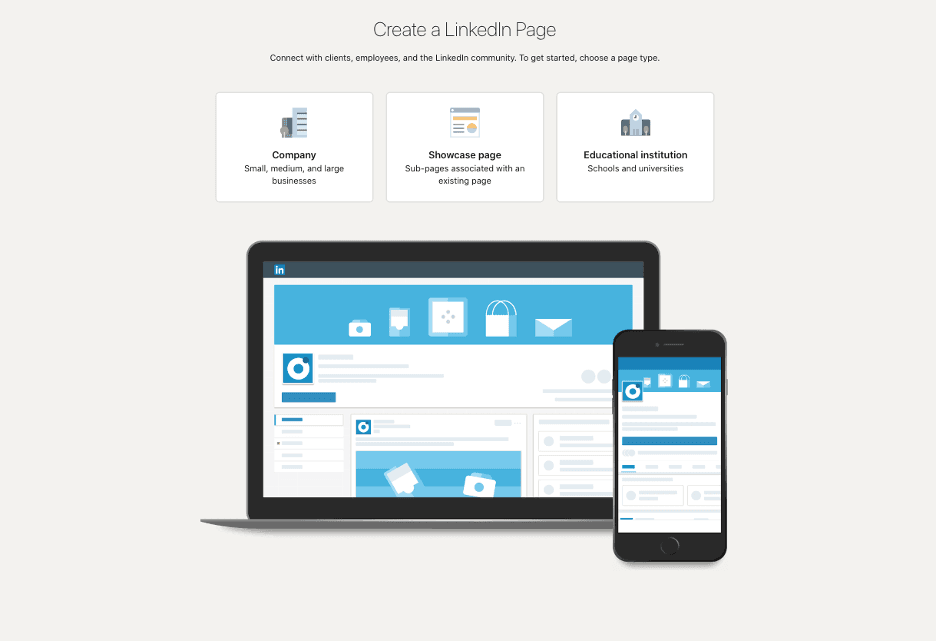
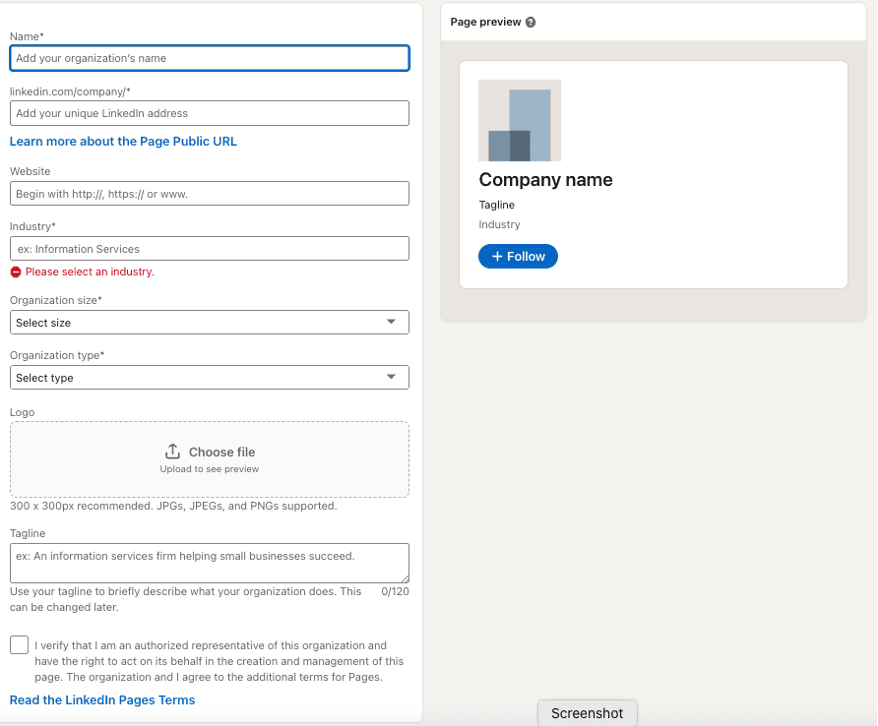
A LinkedIn business page is just as crucial as a company website. You can build a LinkedIn business page for free if you have a company name and email address.
Enter your company details. You can also upload a company logo.
After entering your information, check the verification box to confirm that you’re authorized to act on behalf of the organization.
Select Create page. Note that you can have two LinkedIn company pages. After creating your page, you can customize it further and start making connections.
LinkedIn marketing tips to grow your business
We contacted business leaders and expert marketers to learn the best ways to use LinkedIn marketing to grow your business. Here’s what they had to say.
1. Find highly targeted customers and connections on LinkedIn.
“The targeting on LinkedIn is unparalleled in the realm of digital advertising. Small businesses can zero in on the exact industry, company size and job role [of the people] that they know typically would buy their product or service. For example, if you are selling customer support software to small businesses in the United States, you can set your advertising campaigns to only be showing to businesses [that have] under 100 employees, based in America – and within that grouping, only to executives at those companies with a customer support title.” – Tim Peters, Global Demand Generation and Marketing Leader at Enghouse Systems Limited
2. Use LinkedIn to stay on customers’ radars.
“My company helps small businesses generate leads on LinkedIn. Clients tell us what kind of people make high-quality customers for them. We search on LinkedIn for people who fit their criteria and then introduce them. (We do it so it looks like the client is introducing themselves, but we do all the work for them.) Then we stay in touch with the people who have expressed interest, again using LinkedIn. We do daily status updates and weekly LinkedIn blog posts to keep the client’s name in front of their network. We also send monthly emails that share information about the kinds of problems our clients can solve for their customers and share the results they have achieved for other customers. We also make offers, such as inviting people to a webinar or offering a white paper. The result is a simple, inexpensive, systematic process for doing lead generation, with all the work done through LinkedIn.” – Judy Schramm, CEO of ProResource Inc.
Tip
Lead generation strategies on LinkedIn include posting consistently, including inbound and outbound links on your posts, and ensuring you direct customers to a quality website landing page.
3. Grow your email marketing list using LinkedIn.
“I highly recommend everyone on LinkedIn write a letter [to each connection] saying thank you for being connected on LinkedIn, and invite them to be part of your email marketing list. Do apologize for the lack of personalization in the email. LinkedIn lets you message 50 people at a time this way. I added about 300 people to my email list with this method. Include in your email a direct link for the email signup. It is imperative that you have reciprocity in the message: Tell them what they will receive by signing up for the email list, and offer to look at something of theirs, which is a fairly noncommittal method to garner goodwill.” – Bradford Hines, founder of YumDomains.com and HungryKids.org
Did You Know?
Managing your email marketing list after building it is crucial. For example, ensure recipients can opt out anytime, segment subscribers to send tailored content and remove inactive subscribers.
4. Use LinkedIn’s sponsored updates.
“With sponsored updates, businesses pay to push their post onto an individual’s LinkedIn feed. This ‘pay-per-click’ or ‘pay-per-1,000’ impression feature offers demographics similar to other social platforms (location, gender and age), but one key differentiation is the ability to customize based on company name, job title, job function, skills, schools and groups. Users can target interested industries without competing against the noise of irrelevant companies and messages. A sponsored update can be an excellent way to promote thought leadership content [that is] useful primarily to the targeted audience with a strong call to action. People don’t want to see pure advertising anymore and want something useful for free. By promoting a firm’s content (whitepaper, guide, etc.) through a LinkedIn Sponsored Update, a firm can target a niche audience, increase website visitors and, if the content is compelling enough, generate sales leads.” – Jeremy Durant, business principal at Bop Design
5. Post high-quality content on LinkedIn.
“Good content can be highly targeted and should accomplish two goals. First, it should teach others how to solve a problem or how to do their job better, and it then establishes you as a thought leader in that space. Each aspect naturally leads to more business if you offer them real value. It’s basic psychology, and it gets real results.” – Michael Riley, co-founder of Boxter
Tip
Set up a content calendar for your LinkedIn posts to create consistency.
6. … and go viral.
“Posting directly on LinkedIn is the most powerful tool available on LinkedIn today. If a post begins to gain some momentum, LinkedIn will put a spotlight behind it in one of their categories, and it can get tens of thousands of readers (or more). This is a great way to improve your visibility while reaching readers in a way that would not have been possible on your own website or blog or even [by] posting an article link on LinkedIn.” – Lavie Margolin, author of The LinkedIn Butterfly Effect
7. Give a face to your employees on LinkedIn.
“Get as many of your employees as possible to create and complete their profiles on LinkedIn. These should include appropriate photos, relevant job history that includes a description of how they help your business, and professional connections. My current company is putting together a LinkedIn Day, when we’ll have a photographer available to take profile photos and we’ll help employees set up their accounts.” – Tam Frager, marketing and communications consultant
8. Join LinkedIn groups – and stay active.
“One tip I always share for small business owners is to join LinkedIn groups that are relevant to their target demographic. Not only is this a great way to ‘listen in’ on what your audience is talking about, [but] there may [also] be times for small business owners to interact or offer their advice. More importantly, you can message the members of groups you are in, even if you aren’t connected. LinkedIn InMail adds up quickly, so this is a great way to save money when building relationships with potential clients.” – Lauren Covello, senior manager at External Communications at Workiva
“Here’s a secret sauce to find your ideal, ready-to-buy prospects right away on LinkedIn: Create your own LinkedIn group. After you have your LinkedIn group set up, go out and join as many groups as you can (LinkedIn allows you to be in 50 total) where your prospects are hanging out. The next step is to pick one of those new groups you’ve joined and start working the Members page to find prospects. Once you’re inside the group and approved as a member, click on Members, then filter the list of members further by searching for certain job titles or something else to winnow down the list to your ideal prospects, and then invite them to join your group (tip: send personalized invitations). Once these invitees join your LinkedIn group, you have all your proverbial fish in the same barrel – all your best prospects in one place! You can control this LinkedIn group so that no competitors get in, and you can share great, valuable content within the group that your prospects will love. You also get to demonstrate your value and expertise for them while avoiding overt sales pitches or spam. Plus, you also have a built-in email list, a focus group of your core prospects and clients, and so on. This is a great tactic to build your brand and generate leads to boost your small business.” – Ali Liaqat, marketing automation manager at Fonterra
10. Make your LinkedIn company page matter.
“It’s also important to have an updated and consistent presence for your brand with its own company profile page. Imagery, colors and content on this page should be consistent with your website and any other social media profiles the business has. The page should be updated regularly so the brand is active and appears to be a current business. We’ve all had the experience of stumbling upon a company social media profile that’s updated once a month or, worse, hasn’t been updated in months. Creating a LinkedIn presence, then not maintaining it, will be worse than not having one at all.” – Carrie Booher, digital content editor at WWOZ 90.7 FM
“Everyone should claim their custom URL to ensure it includes their name. This is especially important for people who have a lot of contact with potential clients – especially for those who [are in] professional services and the B2B sector – because when meeting with someone they have not yet met, many people will search Google for the name of the person with whom they’re meeting to learn more about them. Claiming your custom URL makes it more likely your LinkedIn profile will rank at the top of those search results.” – David Erickson, principal at e-Strategy Media
12. Complete the summary section on your LinkedIn profile.
“The summary section is the most overlooked. You have 2,000 characters to speak to your target audience, directly and persuasively. Use complete sentences, write in first person, and address their pain points clearly and succinctly. Many people prefer to go to LinkedIn [over] a website. Most of the time, people want to connect with the person before the product or service, and this is your opportunity to introduce yourself to prospective clients and customers. Also, include your contact information at the end of the summary section. Even though it’s elsewhere on your profile, make it easy for people to reach you.” – Susan Tabor-Kleiman, consultant, speaker and owner of Your Professional Writer
13. Think of LinkedIn marketing as a numbers game.
“I have learned that LinkedIn marketing is more science, less art. In other words, it’s a numbers game. I know that each Wednesday, I’ll touch at least 2,000 C-level executives. These touches will lead to about six responses, and two of those six will become clients. Instead of attending trade conferences, exhibiting and speaking at a cost of approximately $10,000 per conference, I have built my own practice for less than $1,000 a year for marketing, $250 of which goes to LinkedIn for a Premium account. I can afford a few hours each week of my time more than I want to swallow the $40,000-per-year pill that I know most of my colleagues spend, attending an average of four conferences each year.” – Greg Taylor, owner of Telecom Law Attorney
14. Avoid hard sells on LinkedIn.
“Treat LinkedIn like any other form of marketing that you do, and get clued [in] on the latest trends. People don’t want to be interrupted, so try your best to be ‘discovered’ on LinkedIn. Read up on content marketing and inbound marketing, and apply these strategies to this network. There are plenty of people acting like hard-sell 1980s sales reps on LinkedIn, so be wise and don’t become one of them.” – Nikki Hammett, content marketing specialist, Altair
15. Start with connections, then build relationships on LinkedIn.
“Understand that LinkedIn is a social network for professionals to connect with other professionals. A business owner can and should connect with prospects, strategic partners, referral partners and other business owners. And once those connections are made, the business owner can decide how to nurture specific connections to grow the relationship.” – Charlene Burke, CEO of Search by Burke
Key Takeaway
If you’re in search of work, try proven LinkedIn job-hunting tactics like adding in-demand career skills to your profile, following the companies that interest you and adding a professional profile photo.
Importance of a LinkedIn marketing strategy
LinkedIn is less about selling or marketing your products and services than other social platforms. On LinkedIn, the obvious hard sell is less successful and can even be off-putting. A marketing strategy specific to the platform is crucial. Because the network consists of a totally different audience, LinkedIn marketing requires a different approach to get the results you want.
To ensure you’re getting the most out of your LinkedIn presence, consider the audience thoughtfully and speak directly to them, using readily available demographics and business roles to direct your message to your best target. Then solve their biggest problems, ease their most significant pain points and offer insights that help them do their jobs better.
LinkedIn for the results
If you’re not yet using LinkedIn, the time has come. Examine your current marketing plan and determine where LinkedIn can add value. Then create a specific plan that leverages the power of a platform where users are already in a work mindset. Engage authentically and purposefully with contacts and customers, and compare your results to marketing efforts on other social media platforms.
LinkedIn says it’s the leading platform for lead generation. According to Sprout Social, 82 percent of B2B marketers see their best return with LinkedIn compared to other social platforms. Surveyed B2B marketers also said LinkedIn accounts for 80 percent of their social media leads. Used appropriately, LinkedIn is a powerful marketing tool that can take your business to the next level.


 Rating